

In the week leading up to the 2026 Municipal Election, we will be featuring profiles for candidates running for Mayor in Niagara's three largest municipalities - St. Catharines, Niagara Falls and Welland.
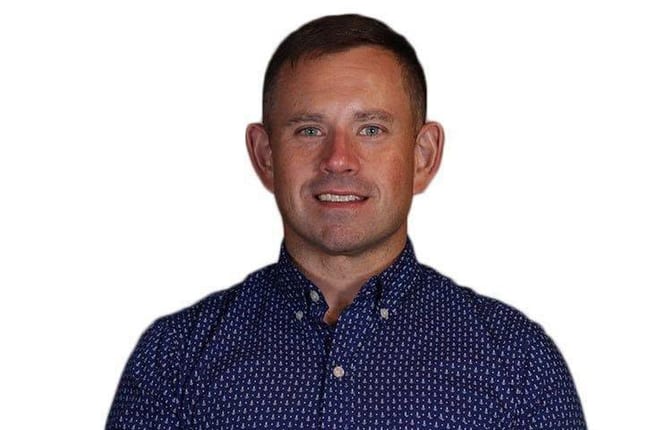
A Niagara College Social Service Worker graduate, he has spent his career supporting vulnerable people in housing, rehabilitation and children’s mental health. He has also worked as a boilermaker, oilfield worker, machine operator and, for the past seven years, a steelworker. A longtime community safety advocate, he has presented to council numerous times and stays connected to residents across Niagara. He brings a hands-on approach to public service, focused on listening, showing up and putting residents first.
What is the single biggest issue facing your municipality right now, and what is the first concrete thing you would do as mayor to address it?
Our infrastructure is falling behind significantly. The last report I saw put the shortfall at more than $600 million, and it could come closer to $1 billion by 2027. Many people's homes were flooded, and a lot of that was preventable. I believe there was willful negligence by the current administration in not following engineers' recommendations in 2018 and 2023. The engineers were Mark Green and Terry Ricketts. I read their reports, and to me, that's unacceptable. In my first 100 days in office, I would conduct a full audit. I want to see where our money is going, what we're spending it on and how we can bring more revenue into the city. The Meridian Centre is a great place for families to visit and for people to enjoy, but it's not generating enough revenue for us. The FirstOntario Performing Arts Centre isn't bringing in enough revenue either. I have a lot of great ideas, developed with local downtown business owners, to generate more income. I know Niagara Falls brings in a lot of tourism dollars, and I think St. Catharines needs a slice of that pie as well. That could mean a boutique casino downtown or more events at Montebello Park throughout the year, similar to what they do in Quebec, with ice-sculpture and wood-carving events. I think it's time to create more opportunities to bring revenue into the city. The GM site is a prime piece of real estate. It needs to be cleaned up, as it's been sitting there for more than 16 years. It could be used for green space or perhaps a tourism attraction. I know we also need more affordable housing. I've lived in this city for 37 years, apart from a couple of years away for work, and it's just not the same city I grew up in. It really needs to change. That's why I've decided to put my name forward for mayor. A lot of people run for council first, but I told myself I wanted to put my best foot forward. I definitely want to be a full-time mayor. There's a lot of restructuring that needs to happen within municipal governance, and I'll be bringing forward many ideas that I believe will help our city and its people thrive.
Property taxes are a major concern for many residents. How would you balance keeping taxes affordable with the need to maintain roads, infrastructure and municipal services - and are you willing to raise taxes if you believe it's necessary?
Our property taxes have been raised by 10.5 per cent under the current administration, and at the regional level, they've skyrocketed even more. I can't justify raising property taxes at all when residents have been struggling, the GM site has been left untouched for more than 16 years, and people's basements have been flooded. I've seen the reports from past engineers, and I've been following this issue very closely. I believe there's been willful negligence, and I can't justify bringing in any more property taxes for residents. Personally, I think we need a rollback, if anything.
Niagara continues to grow. How should your municipality handle new development and housing while making sure infrastructure and services can keep up with that growth?
You can't keep building without updating your infrastructure. Our infrastructure can't handle it. It's not that I don't want more housing or development, but if developers and the policies in place aren't prioritizing infrastructure upgrades first, it's going to be catastrophically awful for current homeowners who have to deal with the mess and cleanup all over again. Just like building a house, you need to lay the foundation first, or the whole house is going to fall down. That's what's happening in our cities right now. More than 6,000 homes were affected by the flooding. People's insurance rates are going to go up, and property values are going down. So, yes, things need to change. A lot of these issues will have to be brought to the provincial and federal governments. I know the federal government gave a lot of money to Mississauga, and even Hamilton residents received $2,000 each in flooding relief. Here in St. Catharines, we have the emergency FLAP program, which provided more than $20 million. But it wasn't enough. I know people who received emergency FLAP assistance still had their basements flooded, so I don't think that's the answer. I don't think the solution is to just keep building, building, building. We need to upgrade our infrastructure first. The federal and provincial governments could fund a lot of different initiatives, and we can look at those options if we really want to. But they fund wars around the world, yet they can't upgrade infrastructure for our own people. It doesn't make any sense to me. I'm sorry, it just doesn't.
What do you believe Niagara's municipalities and the Region should be doing differently together, and what would you personally do as mayor to improve regional cooperation?
I think that together, we can do a lot of things differently. Even during the flooding, I know not every town was affected. If St. Catharines was short on vacuum trucks, we could have called on other municipalities to send trucks here to help. They amalgamated a lot of services, like police services, and now they're talking about amalgamating even more. But I think that could disrupt services. I've looked at other models where towns have amalgamated and then actually switched back. Is it cost-effective? Maybe, but I want better services across the board. Having a seat at the regional table could help, but it also costs taxpayers a lot of money. I've been saying that for a long time, right from day one. I was against amalgamation, but I'm also not a big fan of the two-tier system. It's great to work with other municipalities, but that's what phones and email correspondence are for. I think a lot of things need to be reassessed, and each municipality needs to take back more of its roles and responsibilities in governing its own community.
If elected, what is one thing you would change about how your municipality operates that residents would actually notice within your first year?
First of all, I'm a strong advocate for cleaning up our streets. Public safety is huge. I like seeing officers out in the community, especially downtown, making their presence known on foot and on bicycles. I think that's very important. They've closed supervised consumption sites, but I've now learned that they're introducing safe supply sites. I know that's not really within a mayor's power or control, but in my opinion, these are just band-aid solutions that enable people struggling with addiction. They're also very costly to taxpayers across the board. It's tough to see people gathering in front of businesses and causing mayhem in the streets. It's been sad to see, and I genuinely want to change that. I think we need more HART hubs, more outpatient counselling facilities and more treatment beds. We also need better laws to protect people from those who are violent, as well as people who are deeply traumatized and struggling on our streets. I'm also a St. Catharines resident, and I only saw a snowplow come by once last year. I know many of these services would be affected by amalgamation, but these concerns still need to be addressed. Take Facer Street, for example. They were doing work there throughout the summer, but I don't think the street was properly updated. With property taxes continuing to rise, why can't we have smooth roads throughout the city? I really don't understand it. For me, my first 100 days in office would involve a full audit. I think that's why there's been so much media attention and online discussion about me. I believe some people, including members of the current administration and some in the media — no offence, because you do great work — are concerned about what I might bring forward. I'm just a regular dad and a hardworking man who genuinely wants to see change. Hopefully, I can make that happen.
Four years from now, what do you want residents to be able to point to and say, "That's what this mayor accomplished"?
The GM site needs to be cleaned up, that's for sure. It's long overdue, and it shouldn't be done on the backs of taxpayers. There's a CIP program, which is similar to a rebate program that I spoke about a month ago and that was brought forward. But that presentation cost taxpayers a lot of money. So, yes, I think there are going to be a lot of changes, although you can only do so much in one term. It's time for people to step up. I believe that advocating to the provincial government, and even the federal government on some occasions, is how we'll get things done. I want St. Catharines to be fun and safe again. There needs to be more affordable activities for families, and we obviously need more economic development. When I look at Niagara Falls, I feel like we're so far behind. I understand they have the Falls and everything, but I think we could make better use of our own natural resources and create more of a tourism atmosphere in St. Catharines, too. We need to drive economic development and bring more revenue into the city.
Jackson is one of five candidates running for Mayor in St. Catharines, alongside Mat Siscoe, Ann-Marie Zammit, Anthony Adeoye and Henry Bosch.