

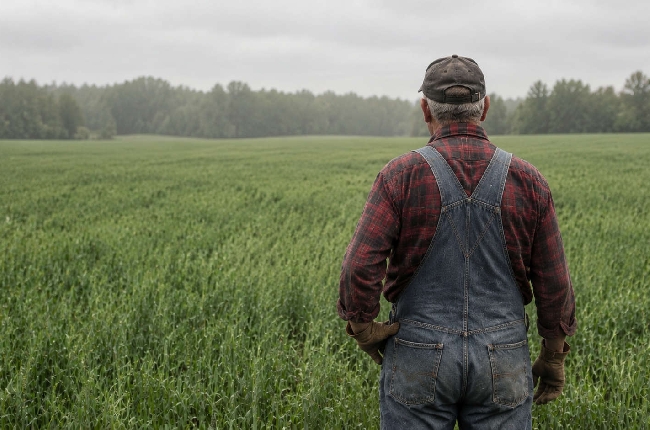
Canadian farmers and food producers could feel the latest Canada-U.S. tariff fight from both sides of the border.
New 50 per cent U.S. tariffs took effect Aug. 22 on roughly $28 billion in Canadian goods after negotiations failed to produce a trade agreement. Agriculture and food products are among the sectors affected.
The U.S. measures include tariffs on some Canadian dairy products, while some alcohol, honey, seeds and other food and agricultural products are also among the goods facing new duties.
For Canadian farmers and food producers that sell into the United States, the main concern is losing customers.
A product hit with a 50 per cent tariff becomes much more expensive for an American importer.
That could lead U.S. buyers to reduce orders or find another supplier.
For producers already working with tight profit margins, losing part of the U.S. market could create serious problems.
Canada's response could also increase costs for farmers in their own country.
Prime Minister Mark Carney says Ottawa's retaliatory tariffs beginning Sept. 8 will target sectors including dairy, agricultural equipment, steel, appliances, pulp and paper, and electronics. It's important to note, the detailed product list has not yet been released.
That means some American agricultural equipment could become more expensive, although Ottawa has not yet said exactly which machinery, implements or parts will be covered.
Farmers could also face higher costs for products that use American steel, electronics or other imported parts.
Food processors may feel similar pressure if they pay more for machinery, packaging or ingredients from the United States.
Those higher costs would not automatically mean a large jump in grocery prices, but they could add pressure over time.
There could also be some benefits for Canadian producers though. If American food products or farm equipment become more expensive in Canada, some buyers could turn to Canadian-made alternatives.
Billions of dollars in food and farm products cross the border every year and new tariffs could quickly affect producers in both countries.
For Canadian farmers, the biggest questions now are which U.S. products Ottawa will target and how long the trade dispute will last.
For consumers heading to the grocery store, it's a "wait and see" approach for now.
(Written by: Bob Perreault)